
Fire & Water
The Dixie Fire burned nearly a million acres in my backyard, and by backyard, I mean the mountains where I grew up. During the time when the flames actively consumed my childhood memories, I checked the status of the fire multiple times a day. Before falling asleep, I watched the evening briefing, weeping at the destruction and lack of containment, wondering if the winds would shift and force my dad out of my childhood home.
I wanted to do something about these wildfires. Being in my late 30s, I dismissed wildland firefighting. Well, it dismissed me because the Veterans Fire Corps only took applicants age 35 or younger, but I still like to think of it as my decision so the whole age thing doesn’t sting as much. What else could I do to make a difference? Wildfire incident mapping is possibility. Someone makes those maps the incident commanders use at the briefings!
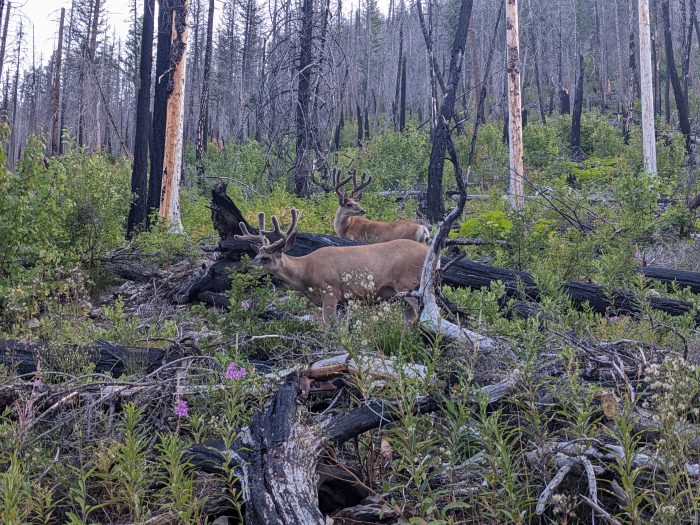
This idea led to an M.S. in GIS (geographic information science). While I have yet to do anything wildfire-related outside of final projects for class, the desire to pursue fire still burns.
This past winter, two interviews for summer field positions seemed promising because the interviewers appeared genuinely excited about my qualifications and interest. The two positions? Fire ecology intern and aquatic research technician, and both positions involved GIS work as well. While writing my cover letter for the aquatic research tech position, I discovered an interest in hydrology. As I waited to hear back from the interviewers, I found myself really wanting both positions. But looking at the positions in earnest, the aquatic research tech suited me better.
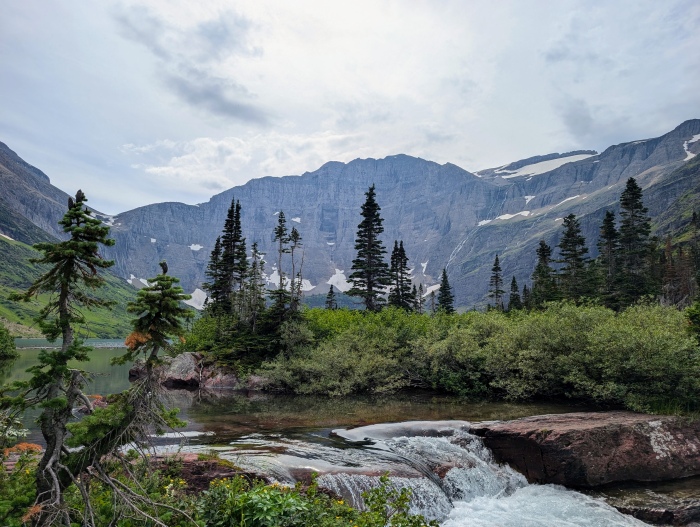
My husband often complains about how I answer a question. I tell the entire story of my thought process, all the variables I considered, and how I weighed each one. At the end of my oration, I still do not have a definitive answer for him and can only offer him probabilities for which answer I might choose. This is ecology.
Remember back in the day when we used checkbooks? At 16, I opened my very first checking out (with my mom, of course). I kept my checkbook balanced, and I reconciled it every time I received a bank statement. During one such reconciliation, I found my checkbook off by a penny. I marched my 16-year-old self, my checkbook, and my bank statement into the bank and asked for help finding my penny. Within minutes, we found I inadvertently rounded a $19.99 purchase up to $20. This is hydrology.
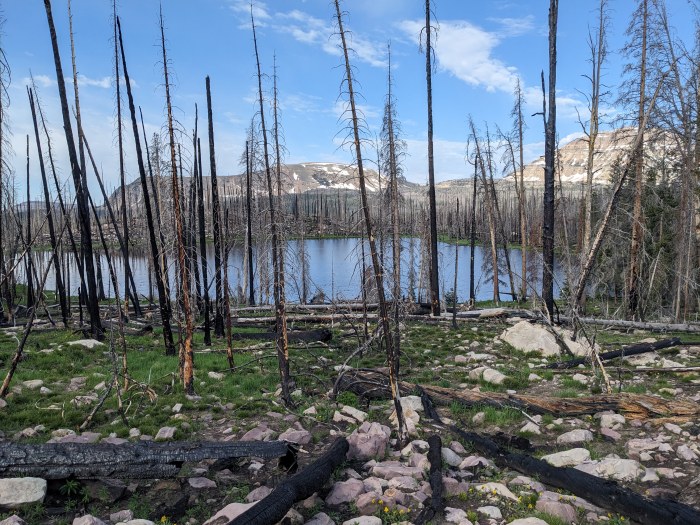
Regardless of how I answer (or don’t answer) questions, I don’t want a list of possibilities ranked by likelihood (and neither does my husband — we have so much in common!) I want to find the penny! With my heart drawn to fire and my mind drawn to hydrology, I figured I’d let fate pick for me. Whichever job I got, that is the path I would take.
I didn’t get either job even though both interviewers considered me a top candidate. Sigh.
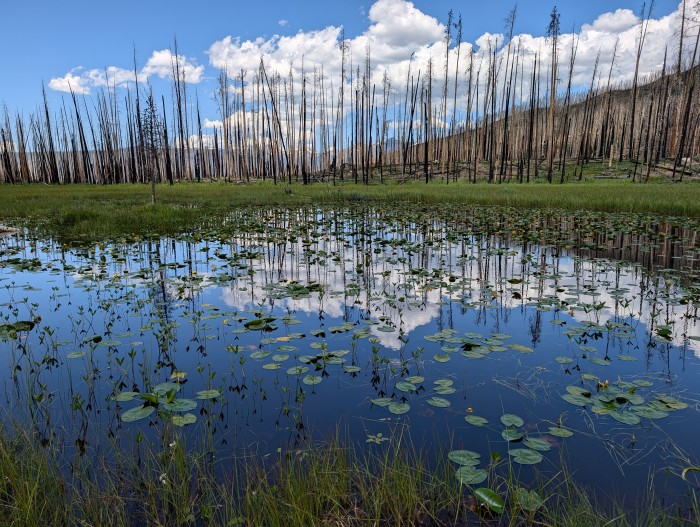
After two PhD interviews, I found myself faced with the fire and water dilemma, once again, and once again, I really wanted both positions. Two of my references chatted with the USU professor and said they believed I had a strong chance at the position. Despite the UNR professor’s mixed signals, I felt almost like the position was already mine.
In the unlikely event I received offers for both, I weighed my options.
USU position:
- Project directly supports forest management decisions and fuels reduction efforts
- GIS-heavy
- Degree in ecology — ewww
- Logan is a reasonably affordable place to live
- Professor is brand new and still setting up his lab
UNR position:
- Project is over my head, and I’m not sure why the research matters, yet
- Need to take a year of undergrad classes to meet hydrology program requirements
- Rent in Reno is expensive
- Professor might not be tenured, but he’s an experienced advisor
- My gut says, “Pick this one!”
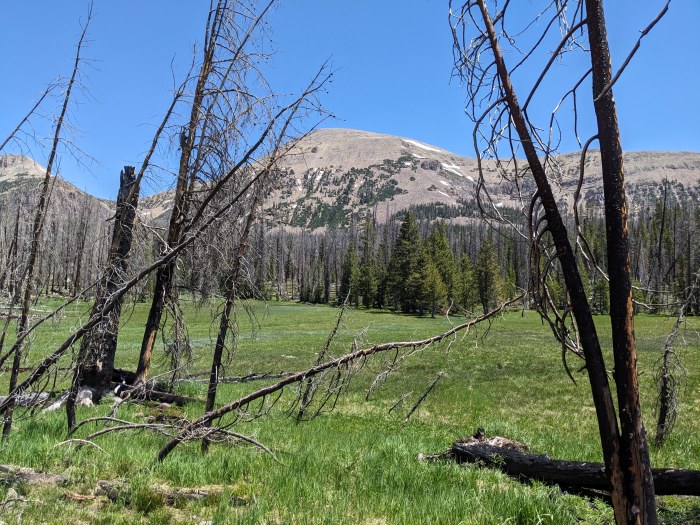
Even though I made lists for the positions, only one thing truly mattered on each list — the advisor. Everything I gathered about PhDs is that your advisor can make or break your PhD experience. I am in my 40s. I do not need to suffer through a new professor’s growing pains. Who knows, maybe the USU professor will be on point from the very start, but that’s not a chance I wanted to take. The cozy-cabin-hot-cocoa UNR professor already knew what he was doing, and the folks in his lab attested to his amazing support and genuine investment in his students succeeding.
The next time I met with the UNR professor, he offered me the position. I accepted without hesitation. The very next day, I received an offer for the USU position and politely declined. Water won.
Christina View All →
Emerging GIS professional exploring conservation, coding, and the outdoors. Trail runner and backcountry adventurer.
 Running 100 Miles. WTF?!
Congratulations!!! I think your decision making was logical and offered you the best way to set your mind at ease.
LikeLiked by 1 person
Thank you! I’m so excited! This series of posts was a way to memorialize the good feelings and excitement so that when I’m exhausted and miserable in a couple of years, I can look back and remember why I wanted to do this and why I was excited 🤣.
LikeLike